Sacred Cenote & Regional Cenotes Guide
Explore ancient ritual sinkholes and top swimming cenotes around Chichén Itzá.
 Bestseller
Chichen Itza, Cenote & Valladolid Tour with Tequila and Lunch
 Likely to Sell Out
Early morning Chichen Itza Tour: Cenote and Tequila Tasting
 Top Rated
Chichen Itza, Cenote, and Valladolid Tour
The Sacred Cenote (Cenote Sagrado)
Located 300 meters north of El Castillo via a raised stone sacbe, the Sacred Cenote measures 60 meters in diameter. Used for centuries for ritual offerings to Chaac, the Maya rain deity, it remains closed to swimming for archaeological preservation. Dredging operations led by INAH and international researchers recovered thousands of ceremonial items from its deep silt bed, including gold ornaments, carved jade, copper bells, incised jaguar bones, and ceremonial human remains.
In Maya cosmology, subterranean cenotes represented portals to Xibalba, the underworld realm of ancestral spirits and rain deities. The vertical limestone cliffs of the Sacred Cenote drop 20 meters to green murky waters fed by underground aquifer rivers extending across the northern Yucatán plain.
Top Regional Swimming Cenotes
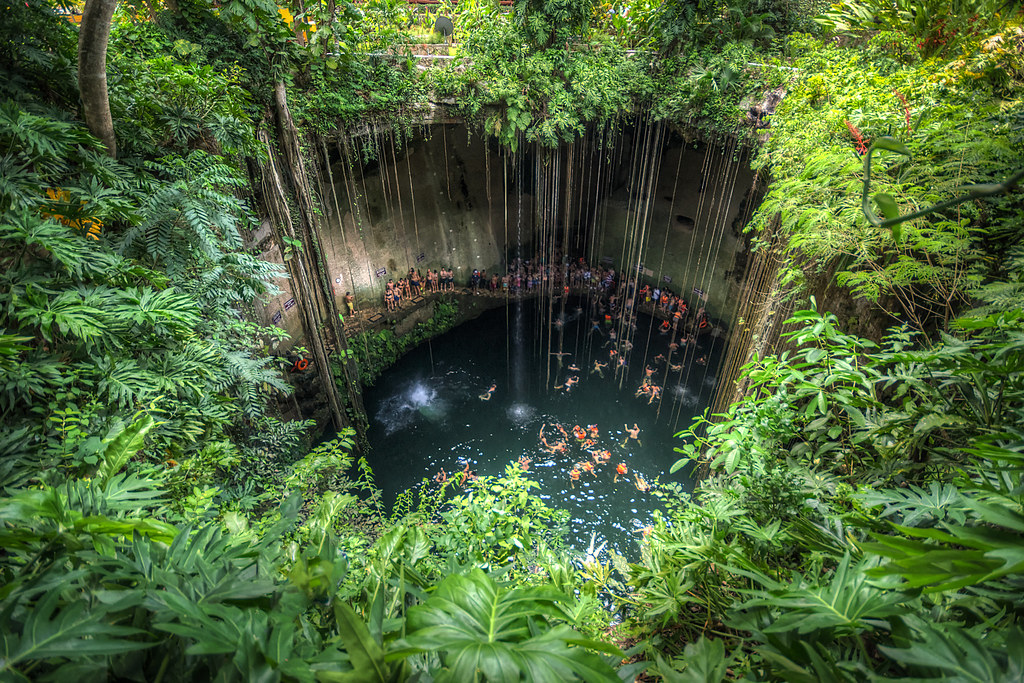
1. Cenote Ik Kil (3.0 km east): A deep open-sky sinkhole measuring 60 meters in diameter with vertical limestone walls dropping 26 meters into turquoise waters draped with hanging vines. Features carved stone access stairs, diving platforms, locker rentals (30 MXN), lifejackets (40 MXN), and restaurant facilities. Entry ticket costs 180 MXN base fee.
2. Cenote Yokdzonot (18.0 km west): Managed by a local Maya women's cooperative, this peaceful eco-reserve features clear green swimming waters, zip-lining platforms, rappelling gear, and authentic local food at an on-site restaurant. Entry fee is 150 MXN general admission.
3. Cenote Suytun (50.0 km east): An enclosed cave cenote famous for a circular stone pier extending into subterranean waters directly underneath a sunbeam ceiling aperture. Solar positioning lights the center platform between 12:00 PM and 2:00 PM, creating one of Yucatán's most iconic photography spots. Ticket fee costs 250 MXN including mandatory lifejacket rental.
4. Cenote Tsukan Santuario de Vida (12.0 km east): A semi-open cave cenote focused on Mayan mythology, native botanical education, and architectural conservation. The site includes traditional Maya house demonstrations, organic gardens, and pristine subterranean waters. Entry ticket costs 230 MXN.
5. Cenote Zaci (Valladolid Center): A massive semi-open cavern sinkhole located right in downtown Valladolid between Calles 36 and 38. Featuring stone staircases carved along cavern walls, hanging stalactites, and on-site Yucatecan dining. Entry fee is 60 MXN.
6. Cenote Saamal at Hacienda Selva Maya (38.0 km east): An open-sky cenote featuring a waterfall cascades into a natural swimming pool. Facilities include buffet dining, lockers, and traditional tequila tasting tours. Entry fee is 200 MXN.
7. Cenote San Lorenzo Oxman (40.0 km east): A dramatic sinkhole located on a former colonial hacienda estate, featuring a rope swing dropping swimmers into deep clear waters. Facilities include a swimming pool, sun loungers, and a restaurant serving regional Mexican cuisine. Entry fee is 150 MXN.
Hydrogeology of the Yucatán Cenote System
The Yucatán Peninsula consists of a massive porous limestone platform with no surface rivers. Over millions of years, rainwater dissolved the soft limestone substrate, carving out vast subterranean cave systems and aquifer channels. When cave roofs collapse, open sinkholes (cenotes) form at the surface.
Around Chichén Itzá, cenotes provided the essential freshwater supply that enabled thousands of Maya residents to cultivate corn, beans, and squash in an otherwise dry tropical environment. Underground water temperatures remain constant year-round between 24°C and 26°C (75°F–78°F).
Safety Guidelines for Non-Swimmers & Families
Cenote waters reach depths exceeding 30 to 50 meters. Lifejackets (chalecos salvavidas) are mandatory at all commercial cenotes across Yucatán. Lifeguards are posted on platforms at Cenote Ik Kil, Saamal, and Suytun to ensure swimmer safety. Children and non-swimmers should stay near shallow entry staircases or floating rope markers.
🌿 Environmental & Hygiene Regulations
All cenotes in Yucatán strictly prohibit chemical sunscreens, sunblocks, body lotions, and insect repellents to protect fragile aquatic ecosystems and underground freshwater aquifers. Swimmers must take a thorough outdoor shower at the facility before entering the water and should wear long-sleeve UV rashguards for sun protection.
Check transportation details on our transport guide, learn about Valladolid gateway options, or browse cenote tour packages.